
The Coalition for Balanced Food and Fuel Policy is an alliance of animal agricultural groups concerned about the impact that the corn-based ethanol policy may have on the competitiveness of animal agriculture, exports, the food industry and ultimately the consumer.
While the Coalition supports efforts to increase American energy security and diversification, it is concerned that burning food and feed as fuel may have many unintended consequences for animal agriculture, family farmers and ranchers, the world’s poor, and consumers alike.
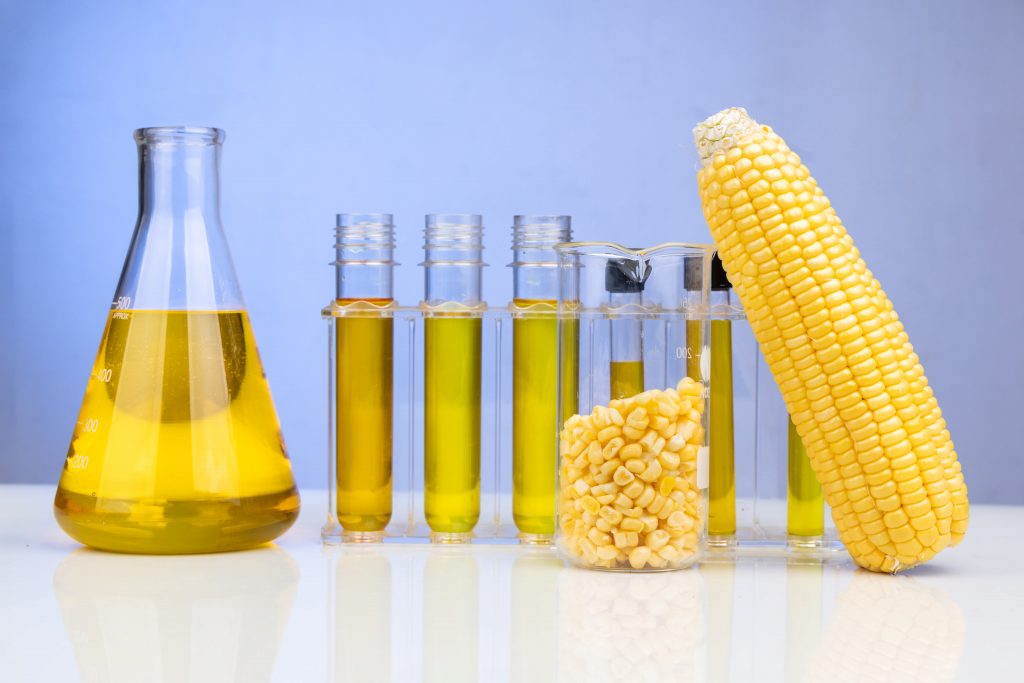
WHY WE CARE – Will Americans Be Forced to Choose Between Food and Fuel?
The United States is working toward greater energy security and diversification by encouraging the development and use of alternative and renewable energy and fuels. Ethanol from corn is by far the largest segment of the alternative fuels market. Corn-based ethanol can not be seen as the silver bullet solution to America’s fuel needs.
Corn is a primary feed source for America’s livestock and poultry producers. When 30-40 percent of the corn crop is burned as fuel, corn prices rise. When inputs like feed rise in cost so do the cost of those livestock and poultry and the meat and poultry they produce. Our nation’s current ethanol policy may be good news for big ethanol firms, but it’s a raw deal for animal agriculture and consumers.
ISSUE OVERVIEW / KEY POLICIES
Achieving balanced food and fuel policy is essential to increasing energy independence while maintaining food affordability.
We advocate the following policies:
Freeze the Federal Mandate for Ethanol Production: The federal mandate for biofuel production should not be increased until alternative fuels are developed that are not made from food or feedstuffs.
Remove Import Tariffs: Market forces should be allowed to come to bear on shaping the most viable biofuels for America’s future. Tariffs distort the marketplace and should be allowed to expire.
Blender’s Subsidy: Subsidies and tax credits for energy sources generated from food or feedstuffs should be equally available among all forms of energy and source neutral as a means to grow opportunities for all forms of advanced energy sources.
Renewable Energy and Byproduct Research Neutrality: Federal research funding should not favor one type of renewable energy over others. Federal research funding should be provided broadly to research renewable energy technologies, economics, and by product safety, quality and usability.
Emerging Bio-Energy Mandates For Non-Feedstocks: New bio-energy mandates (such as increasing the RFS) should be limited to energy from emerging bio-based sources (i.e. cellulosic, methane) that do not adversely impact animal feed availability.
Conservation Reserve Program (CRP) Flexibility: Policymakers should provide producers regulatory and legislative policy options to elect out of CRP to respond to market forces. Support a working lands approach to reintroduce acres into crop production.
Energy Infrastructure Incentives: We support the growth of agriculture-based energy infrastructure. Infrastructure incentives should be source/feed stock and renewable energy neutral.